Ladywell Urban Farm
Location
London, UK
Sector
Commercial
What I Did
Interior Architectural Project Proposal, BA:ISD
“Reimagining heritage through urban cultivation”
Embracing The Unhoused
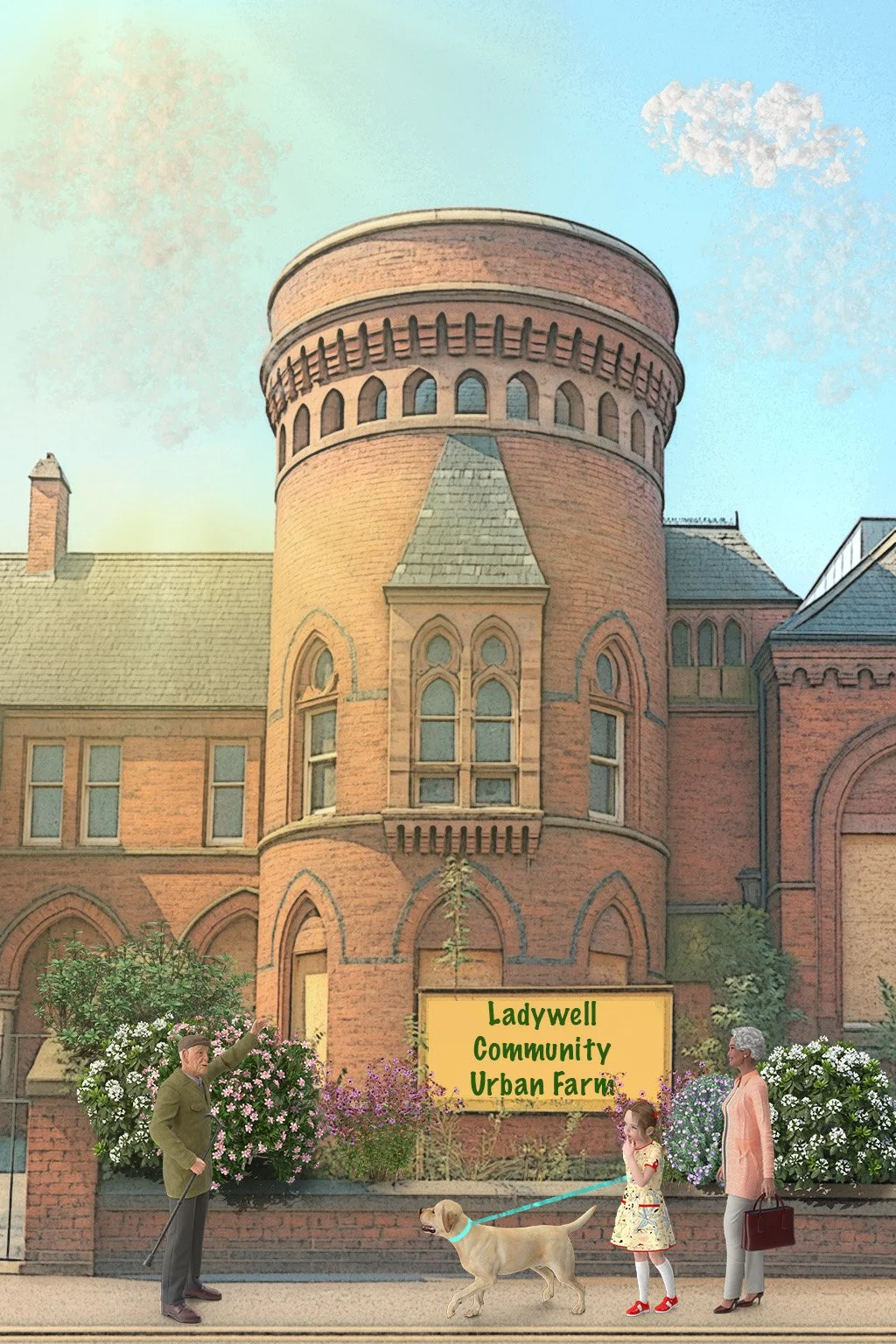
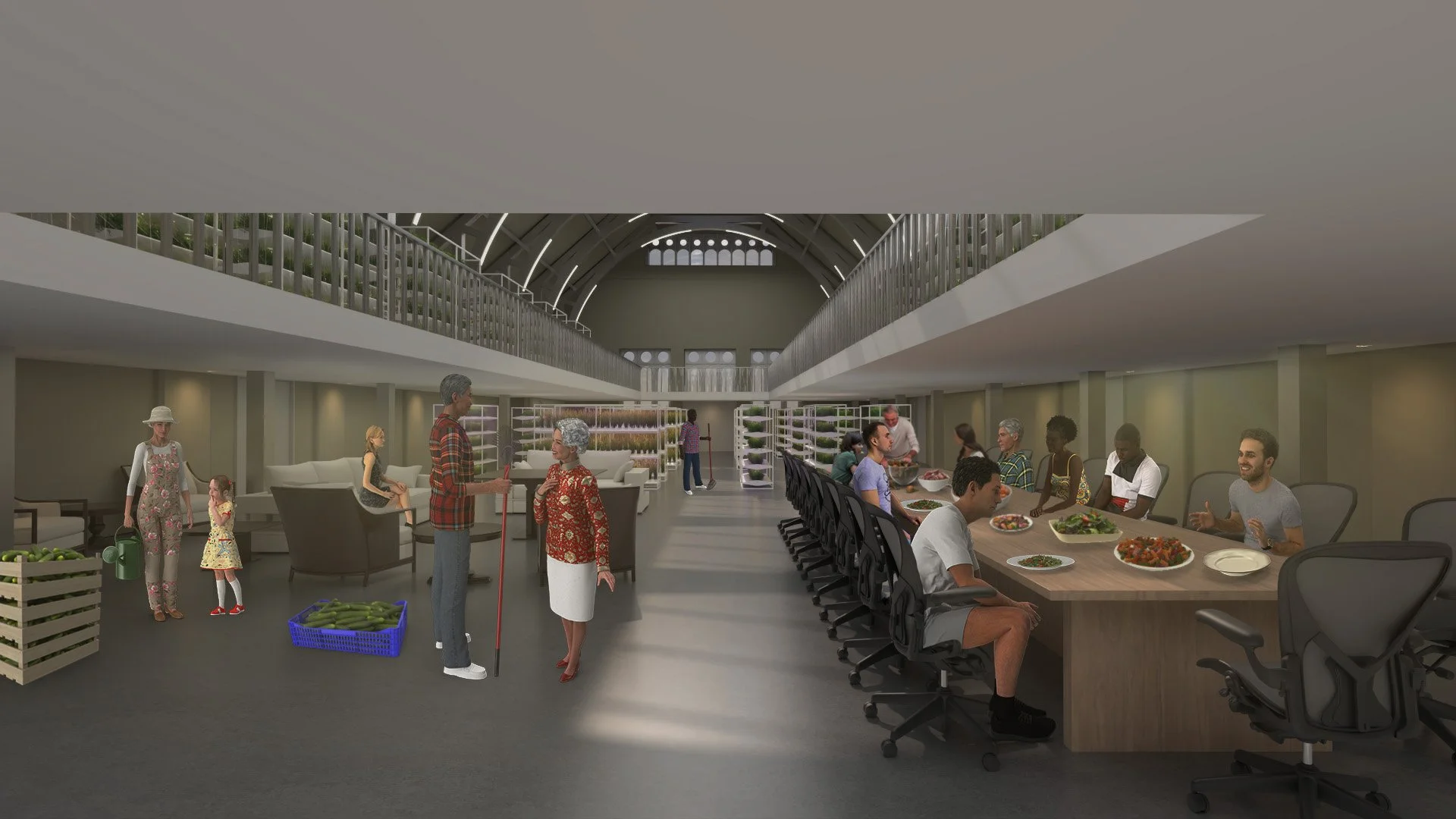
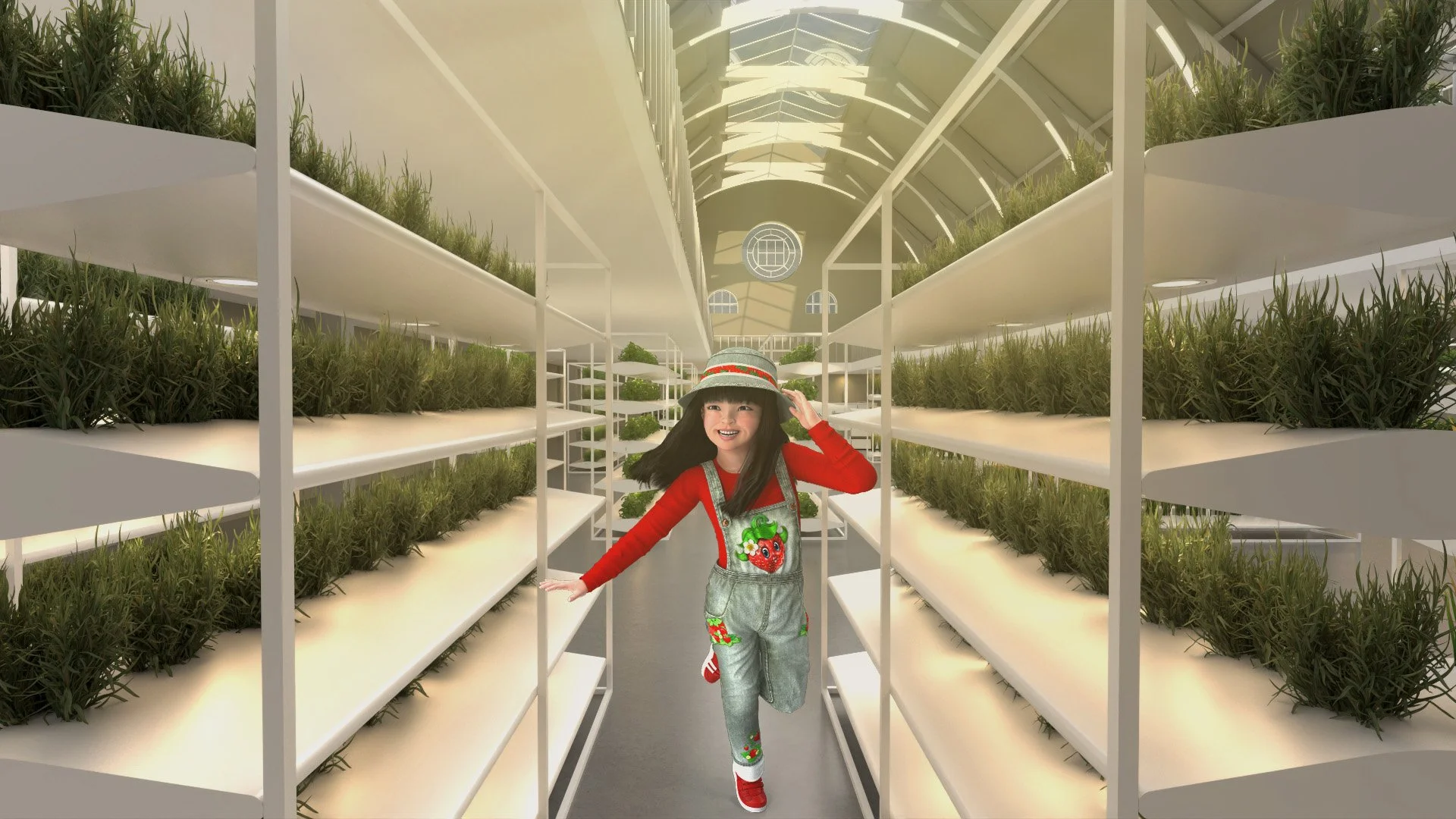
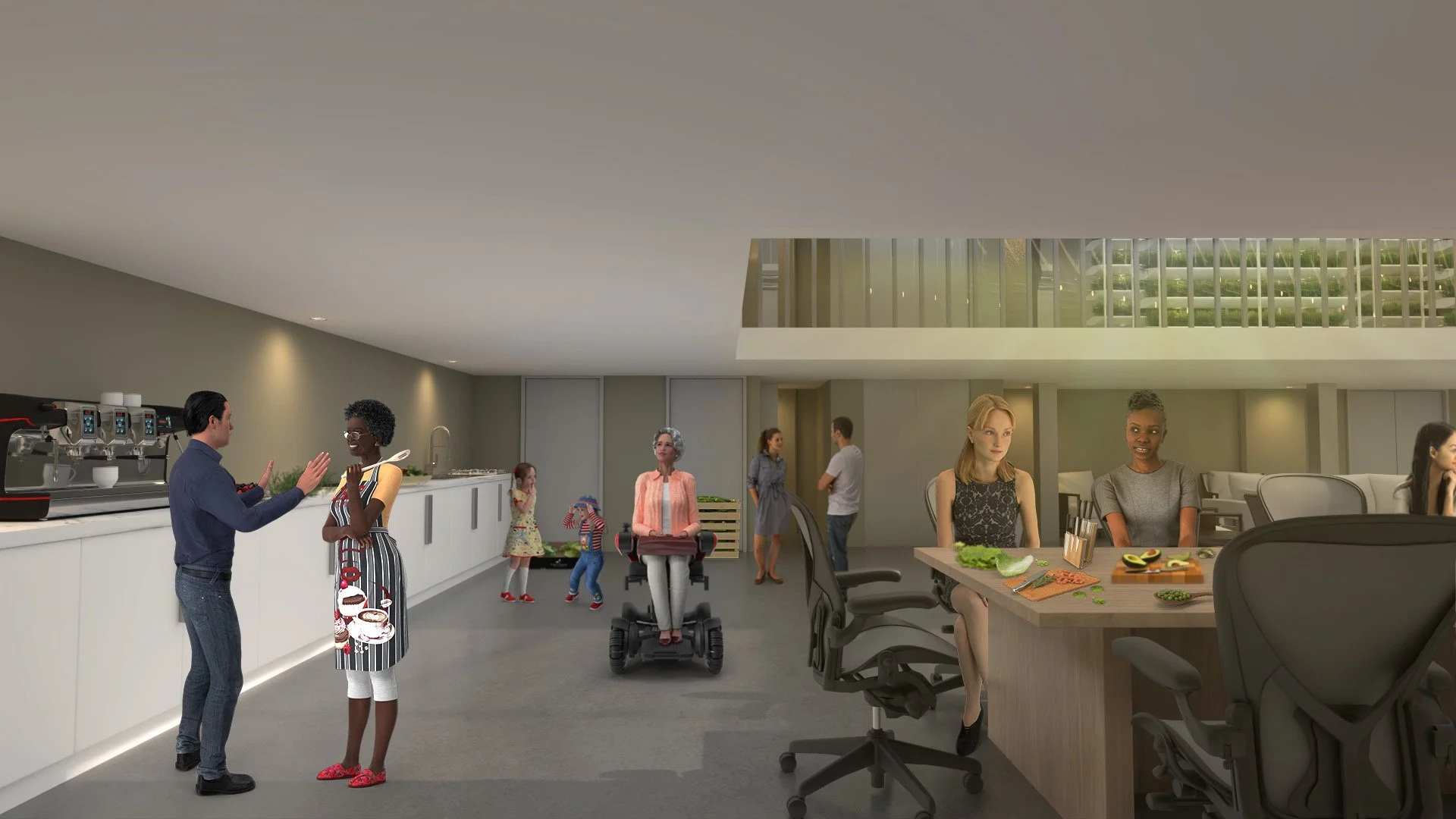
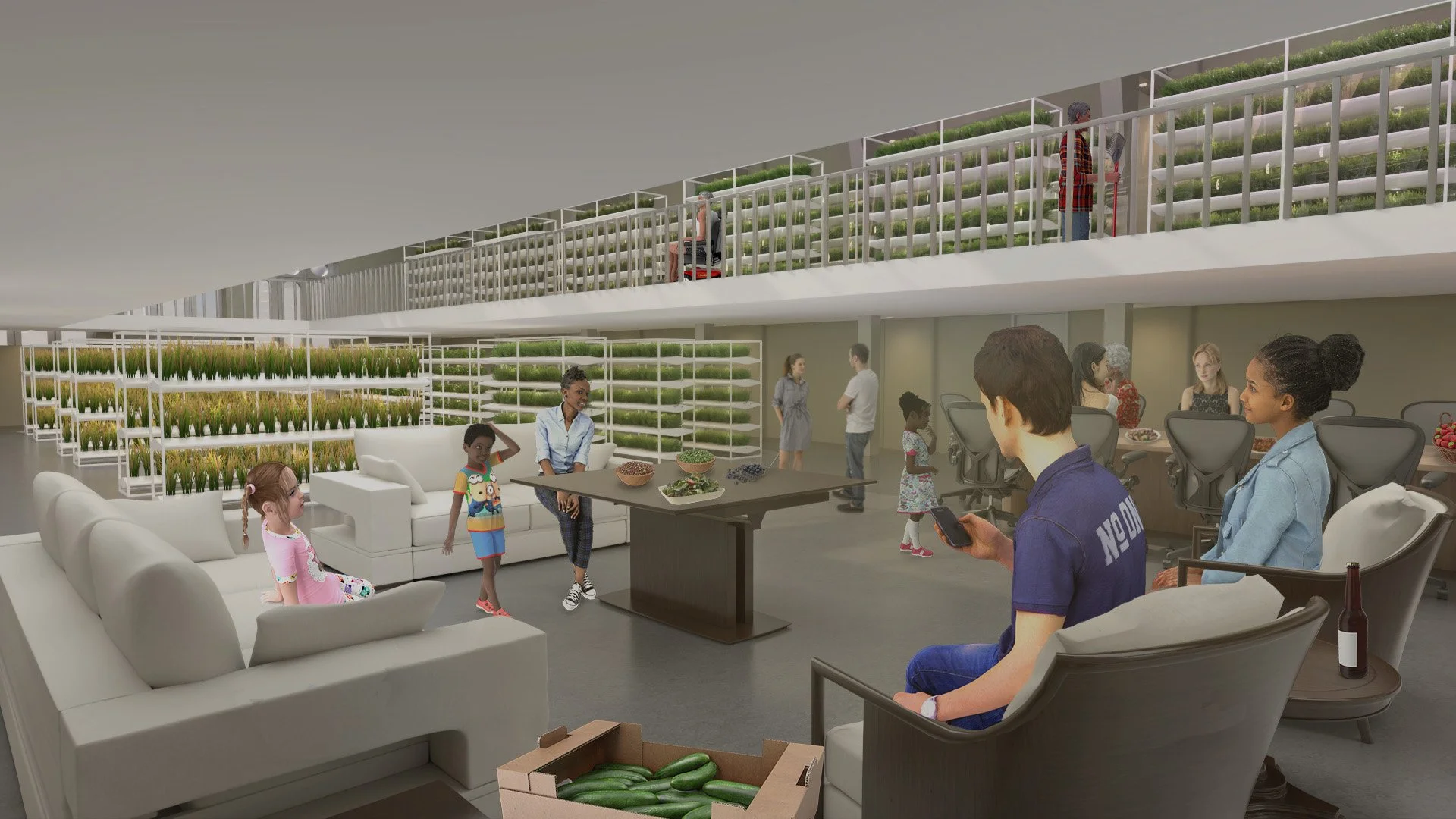
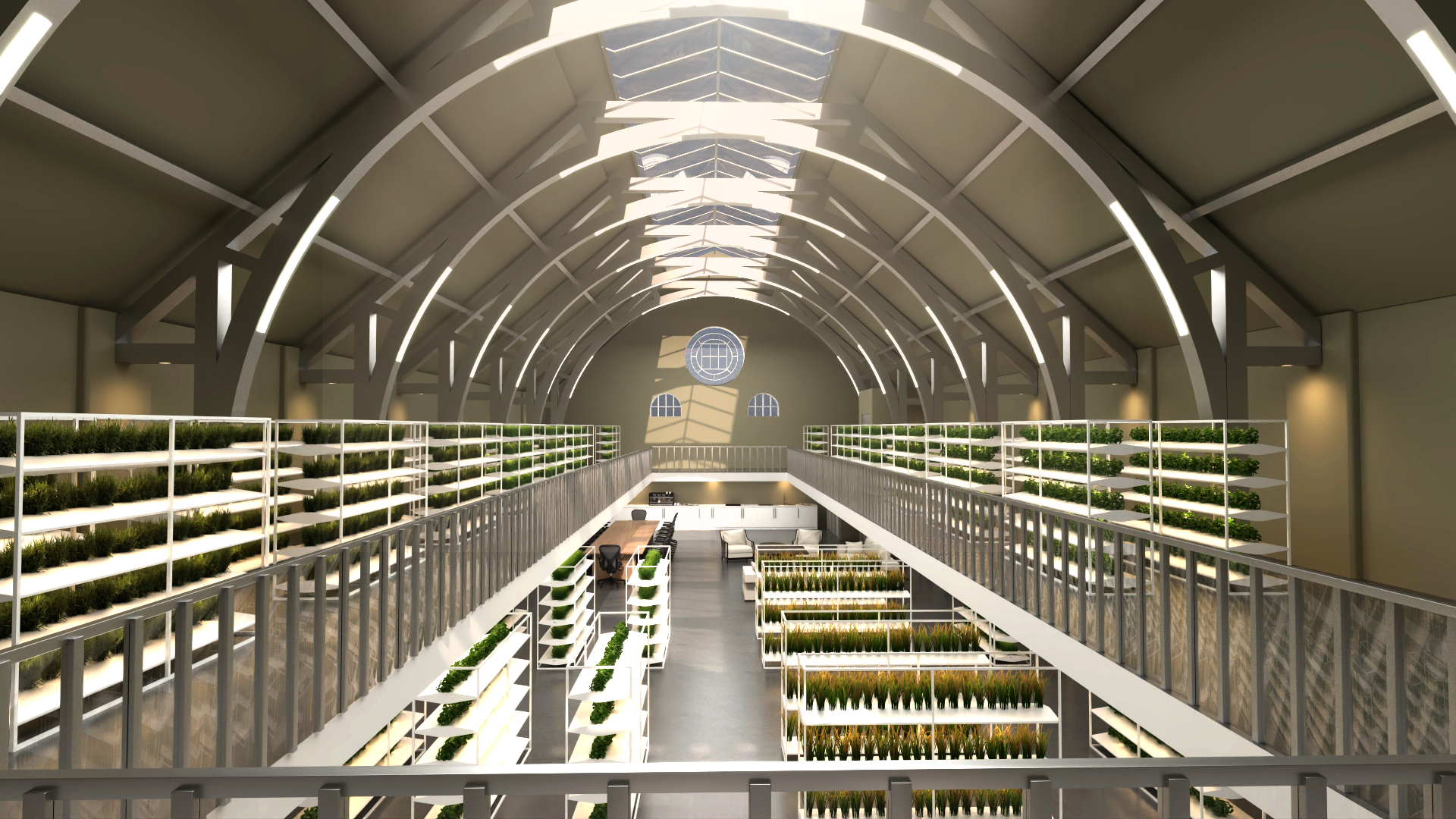
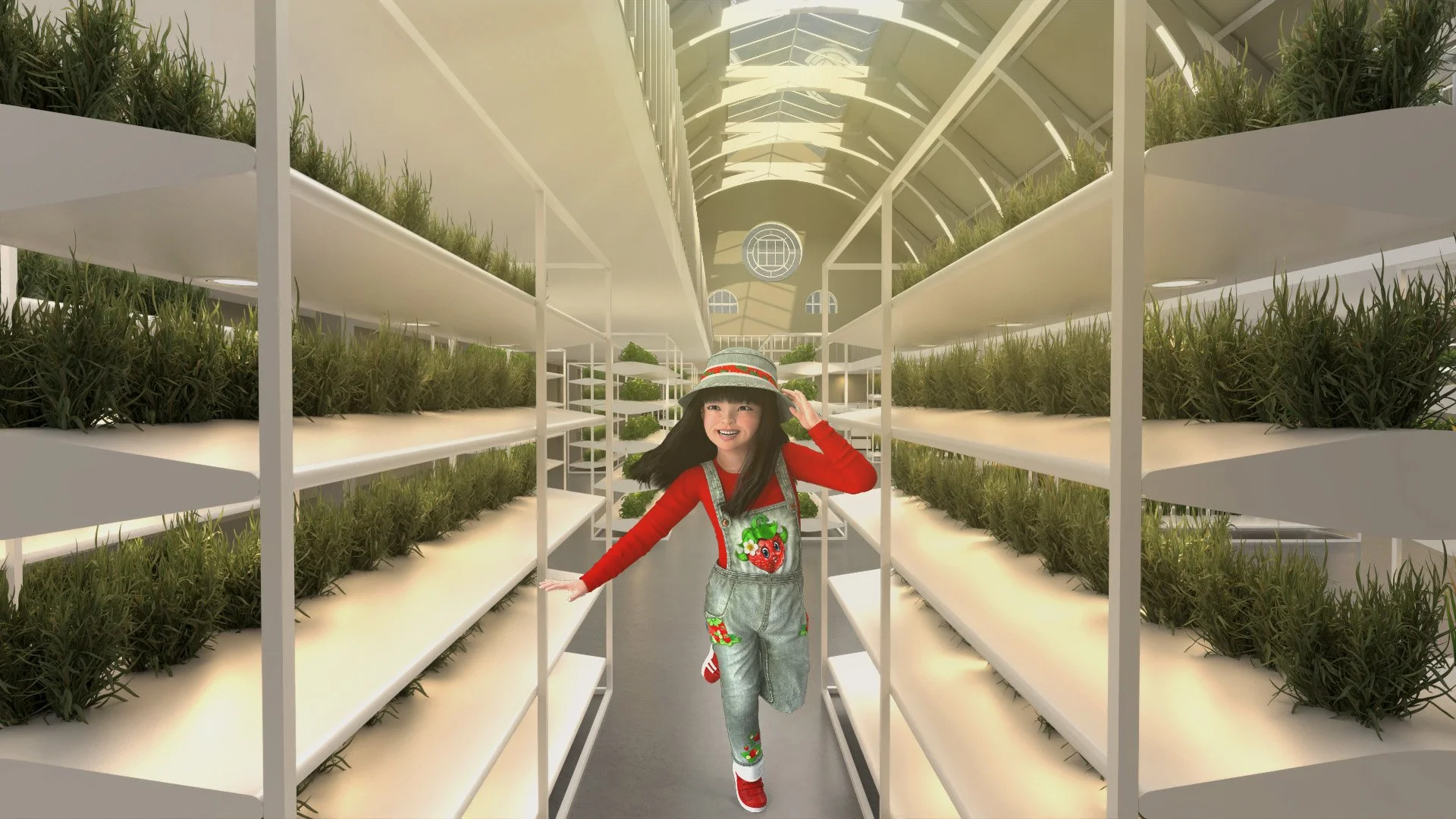
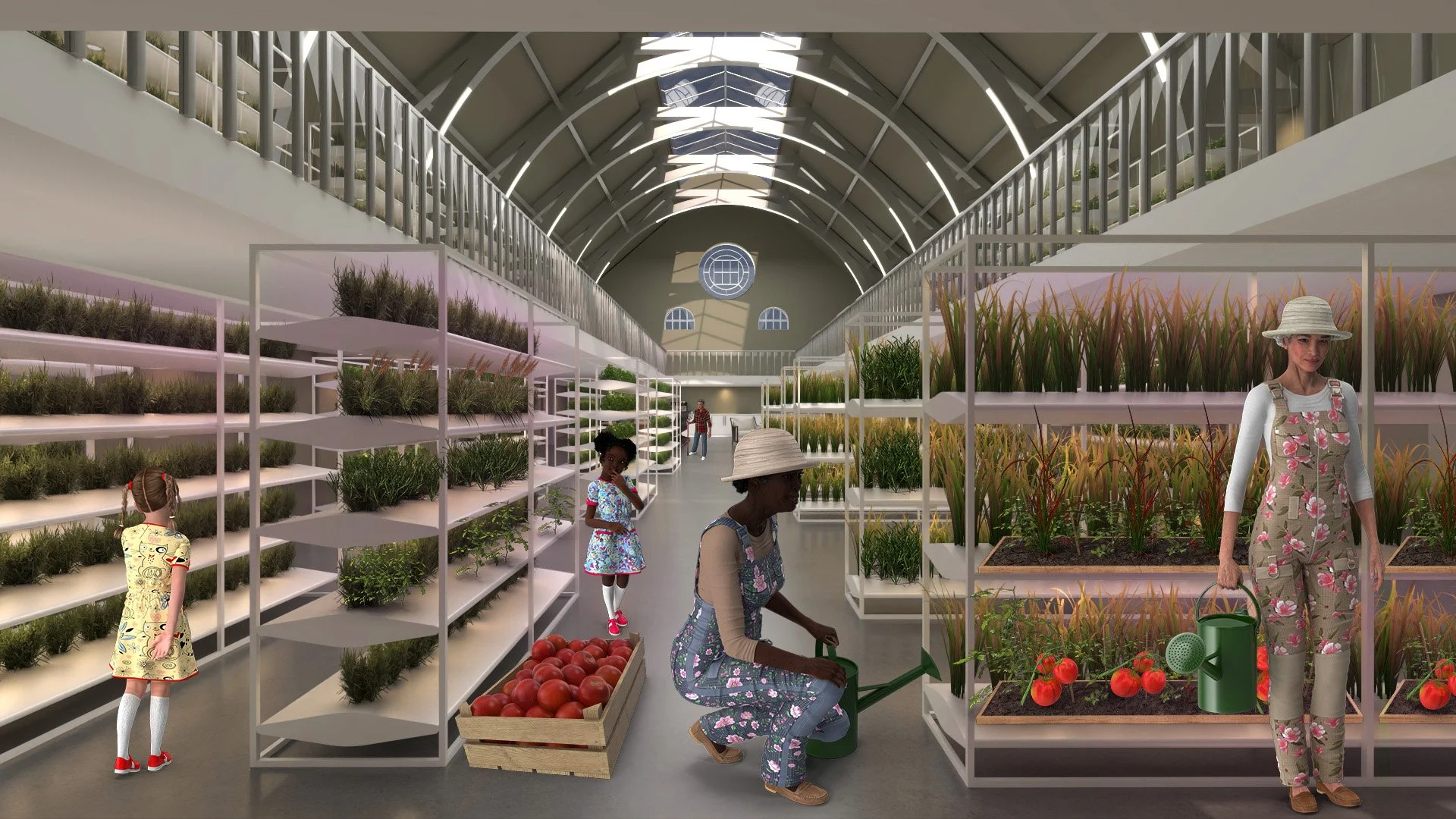
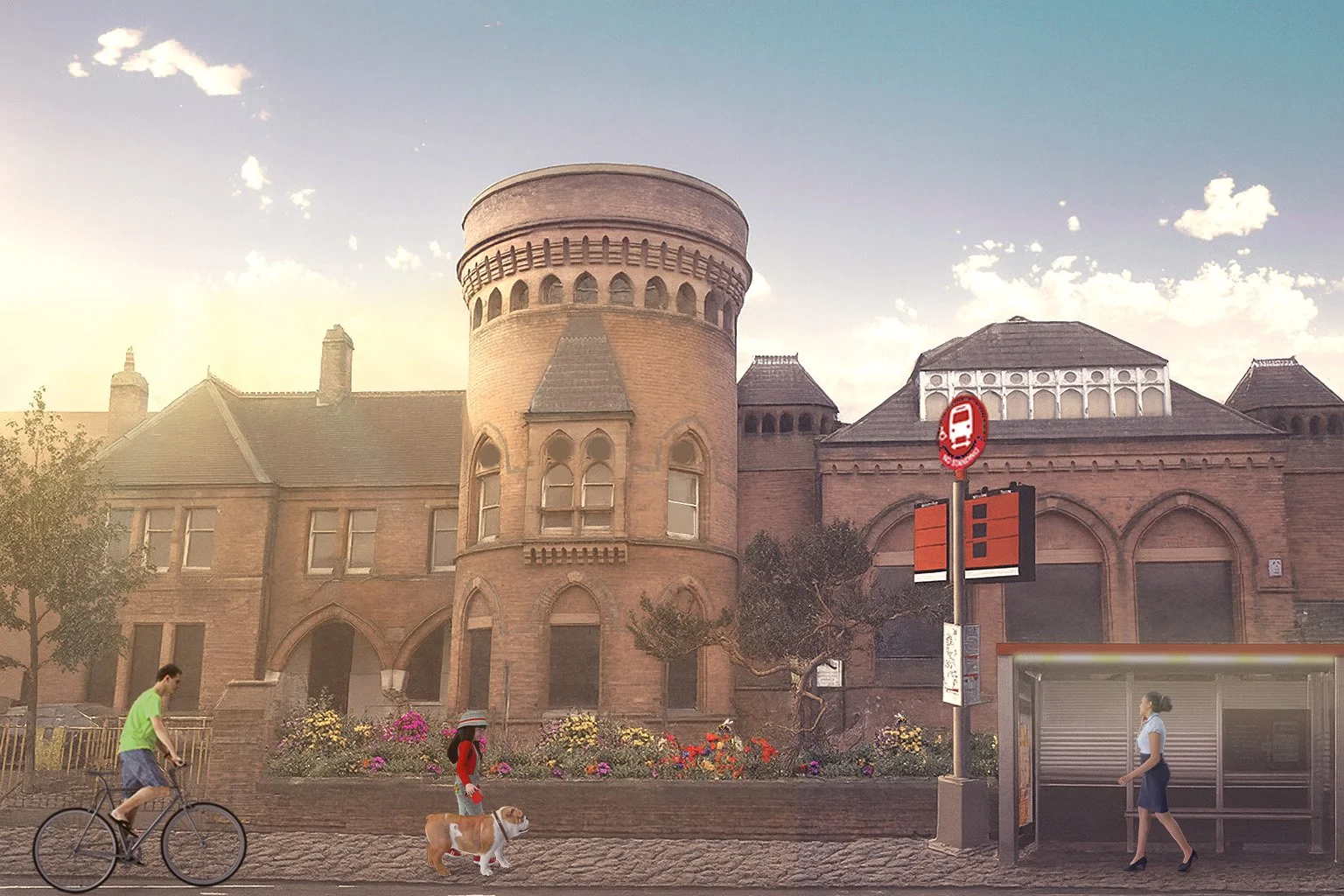
A speculative adaptive reuse project transforming the historic Ladywell Playtower into an inclusive urban farming hub. Developed in response to homelessness, social exclusion, and hostile architecture, the proposal reimagines a neglected Victorian landmark as a space for cultivation, learning, and community connection. Through aeroponic growing systems, accessible design, and communal gathering spaces, the project explores how architecture can foster dignity, belonging, and social resilience while preserving the building's historic character. Developed during my second year of BA Interior & Spatial Design, this speculative adaptive reuse project transforms the historic Ladywell Playtower into an inclusive urban farming hub. Responding to London's homelessness crisis, hostile architecture, and the exclusion of unhoused communities from public space, the project draws upon critical urban theory, including Don Mitchell's Mean Streets, to explore how design can challenge spatial inequality. Reimagining a neglected Victorian landmark as a space for cultivation, learning, and community connection, the proposal combines aeroponic growing systems, accessible design, and communal gathering spaces. The project explores how architecture can foster dignity, belonging, and social resilience while preserving the building's historic character.
-
![]()
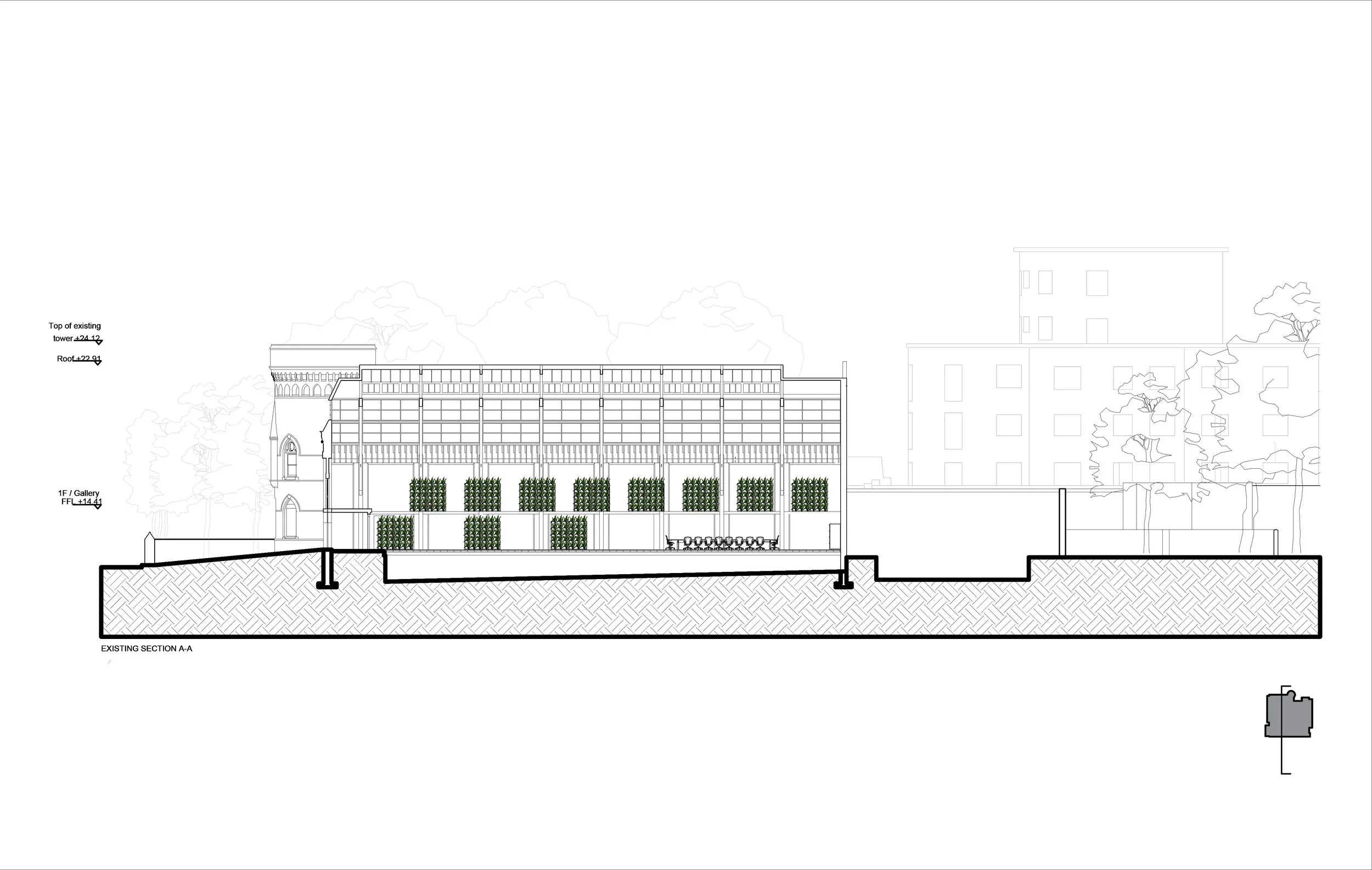
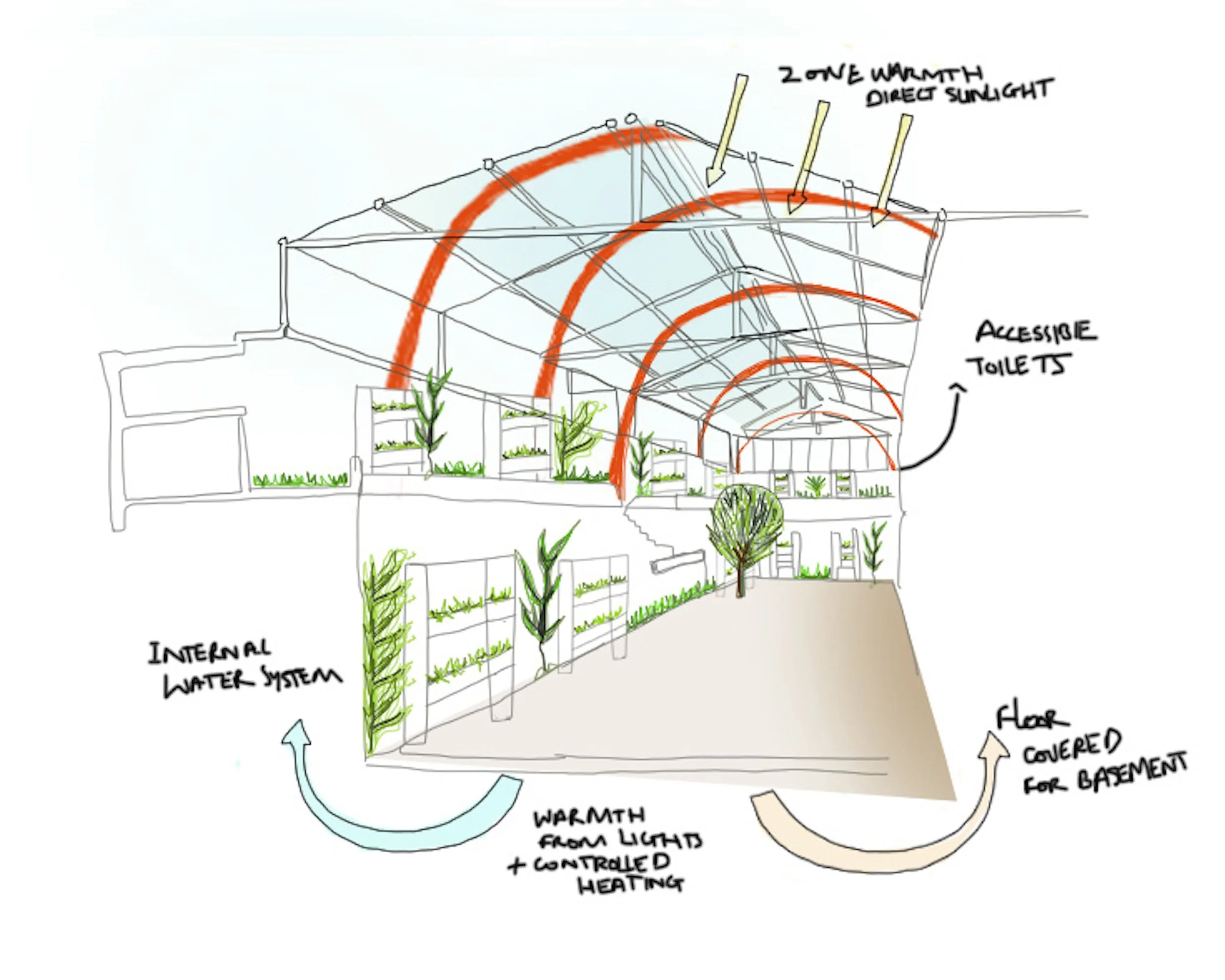
Section Drawing
-
![]()
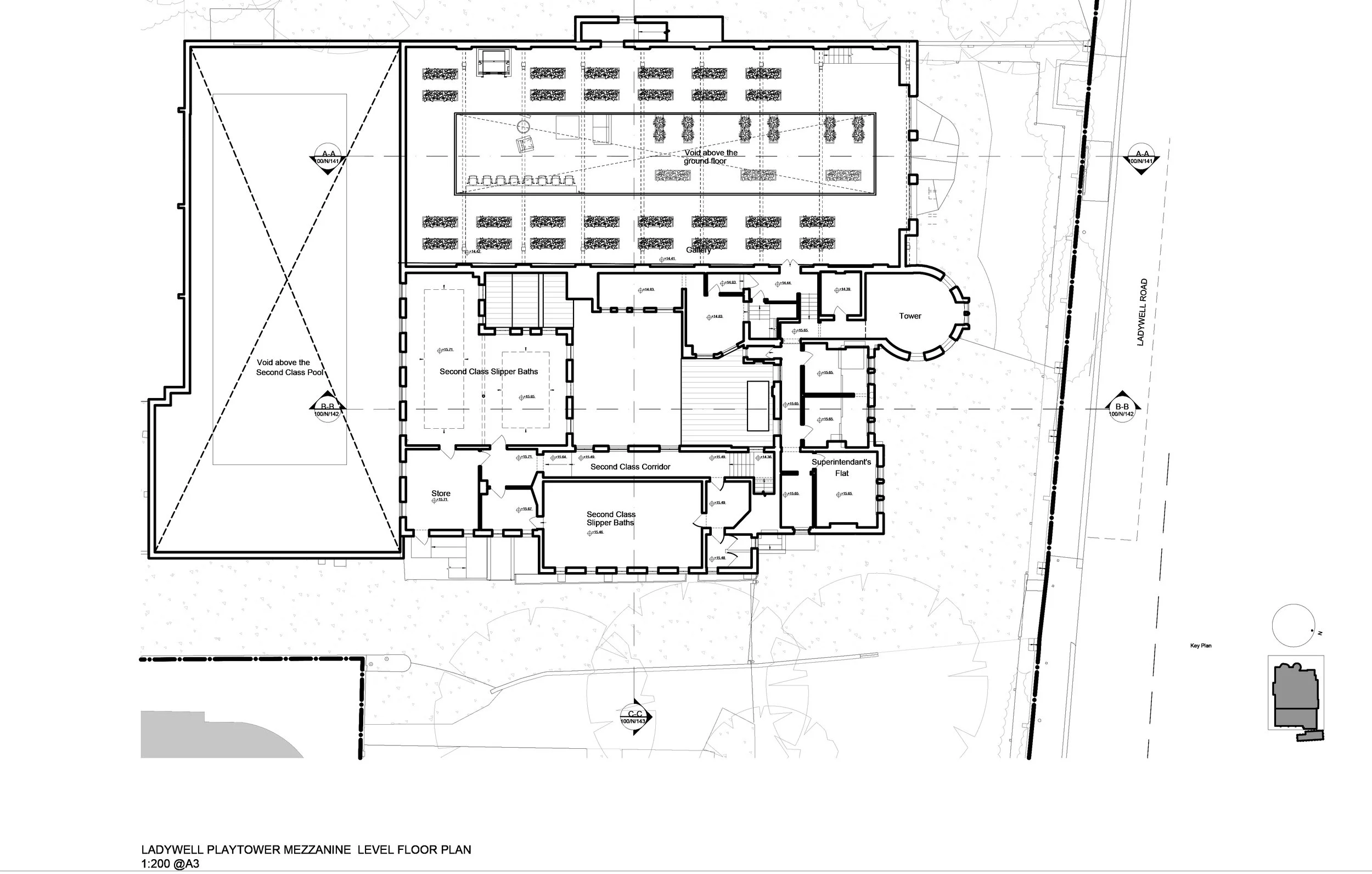
Mezzanine Lighting Plan
-
![]()
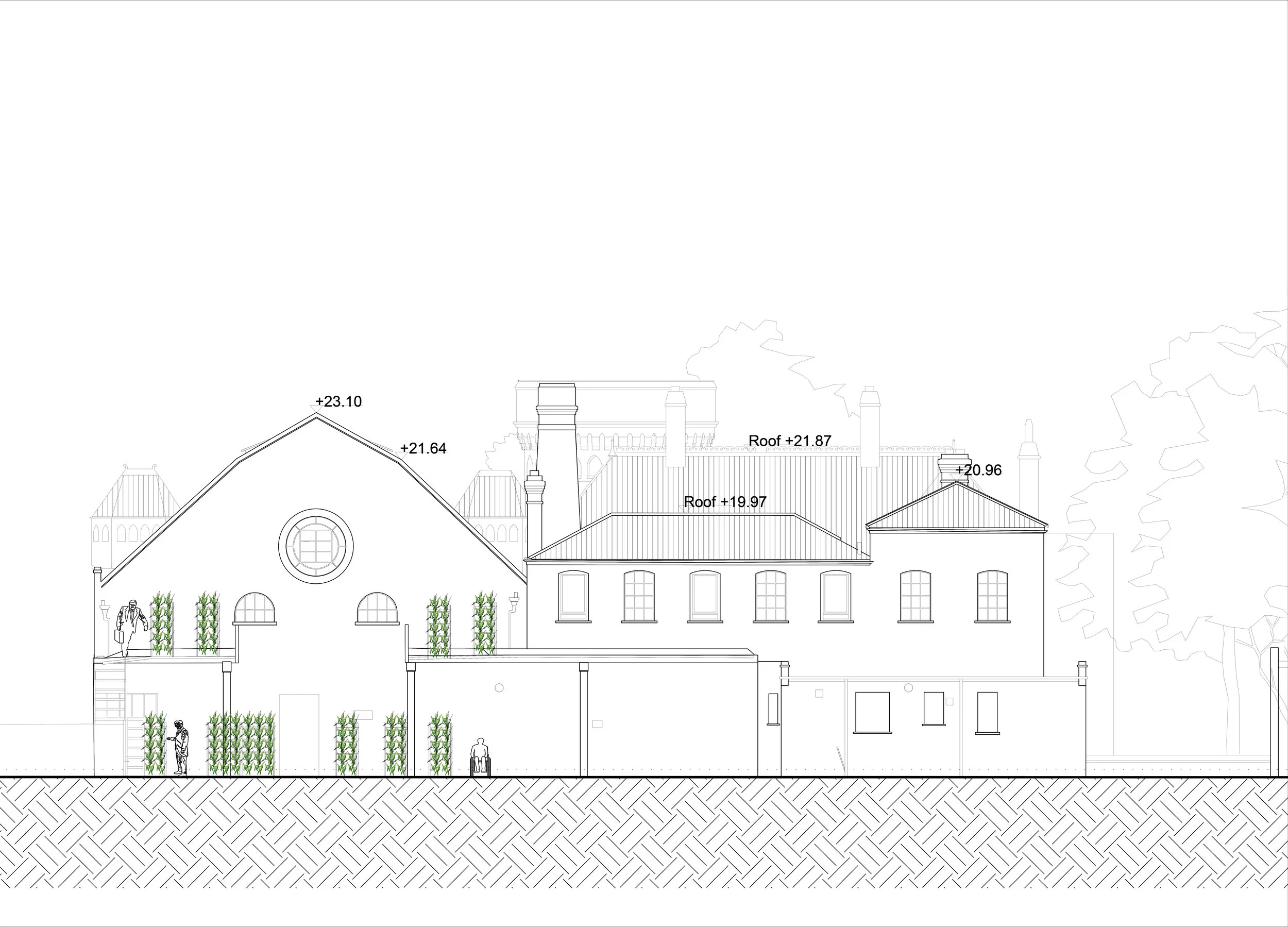
Section Drawing
-
![]()
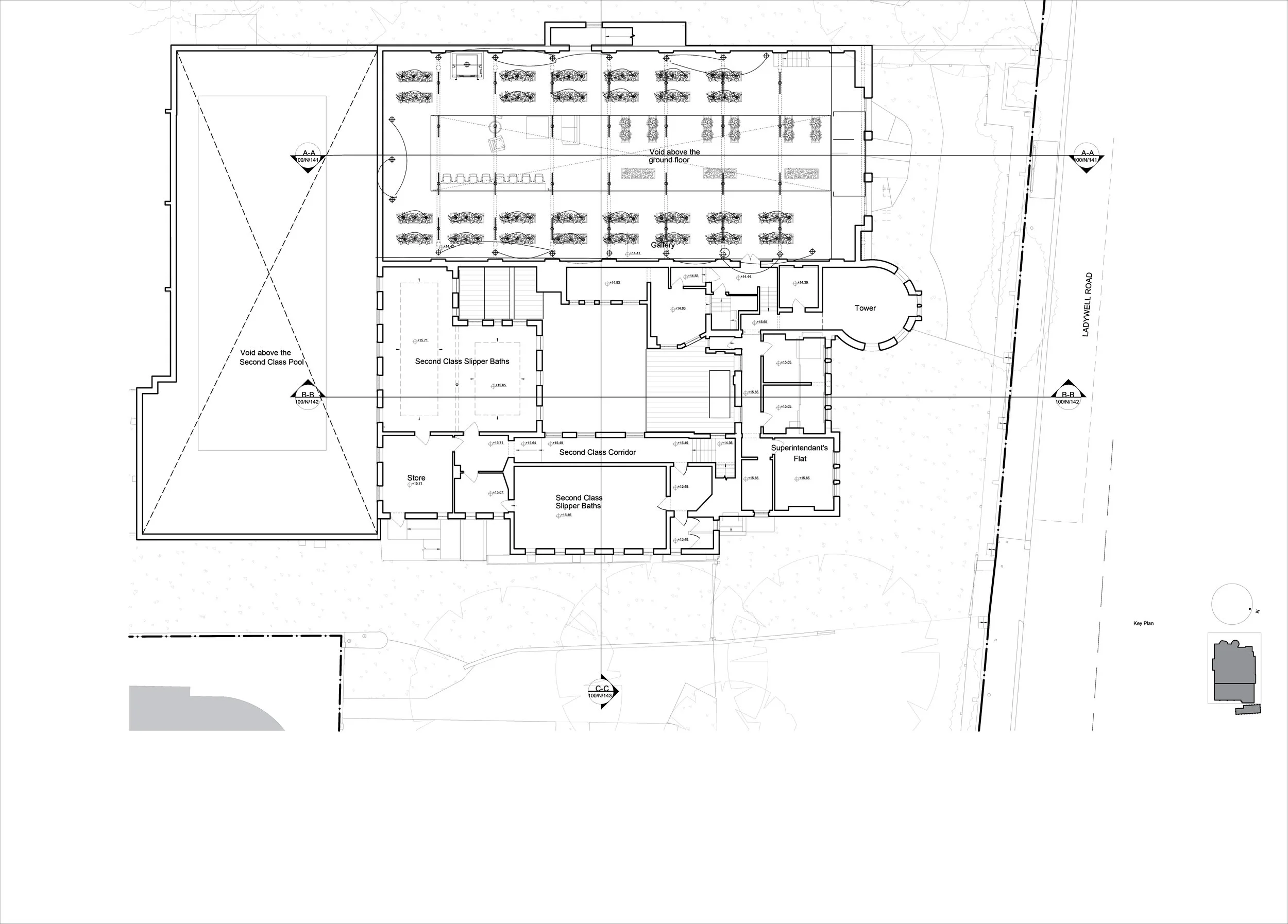
Ground Floor Plan
-
![]()
Sketches
-
![]()
Site Exploration Sketches
Project Development
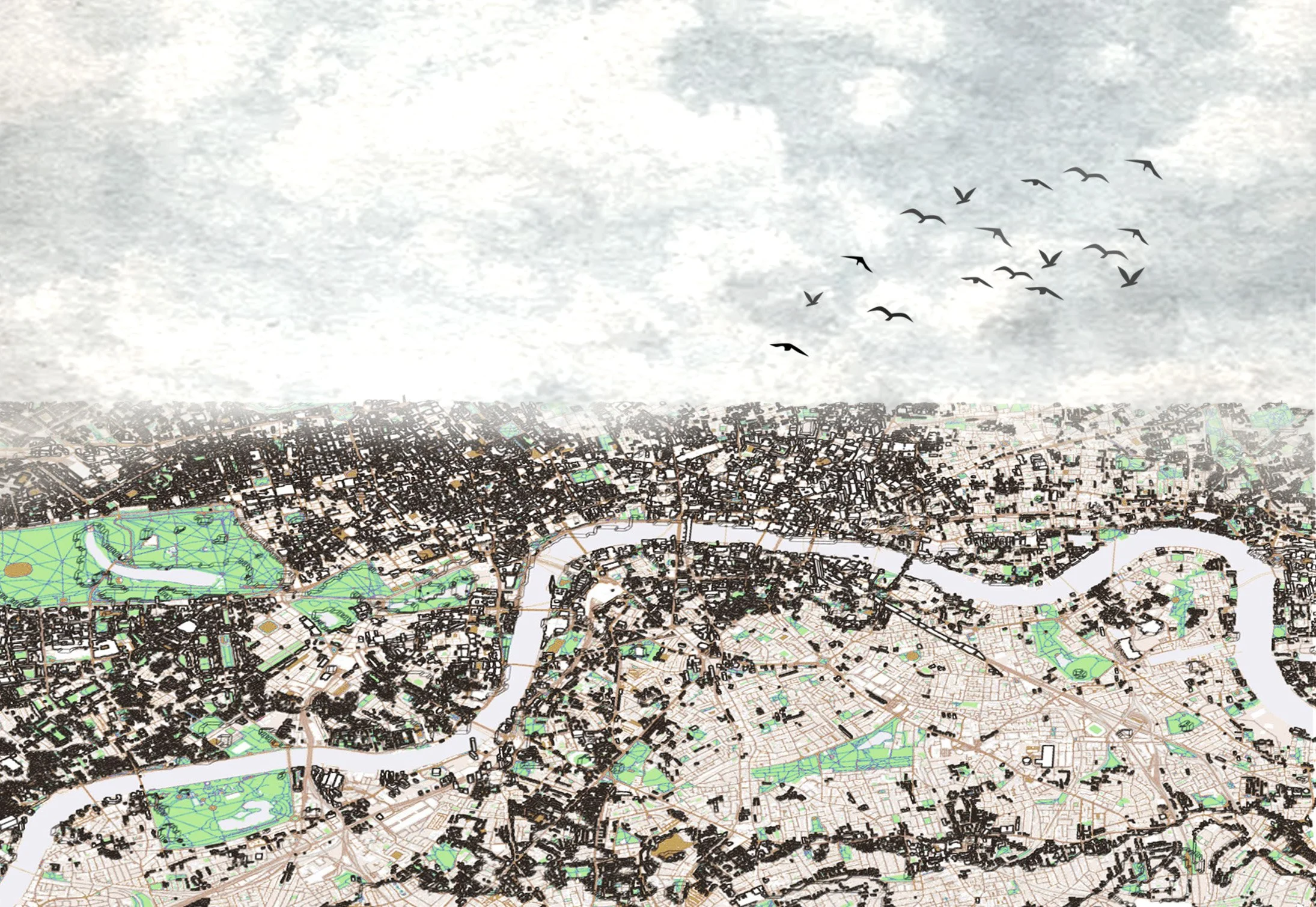
Extensive site, social, and demographic mapping informed the early stages of the project. Through analysing homelessness data, urban conditions, community infrastructure, and existing urban farming initiatives, I identified opportunities for a design intervention that could address both social inclusion and environmental sustainability.
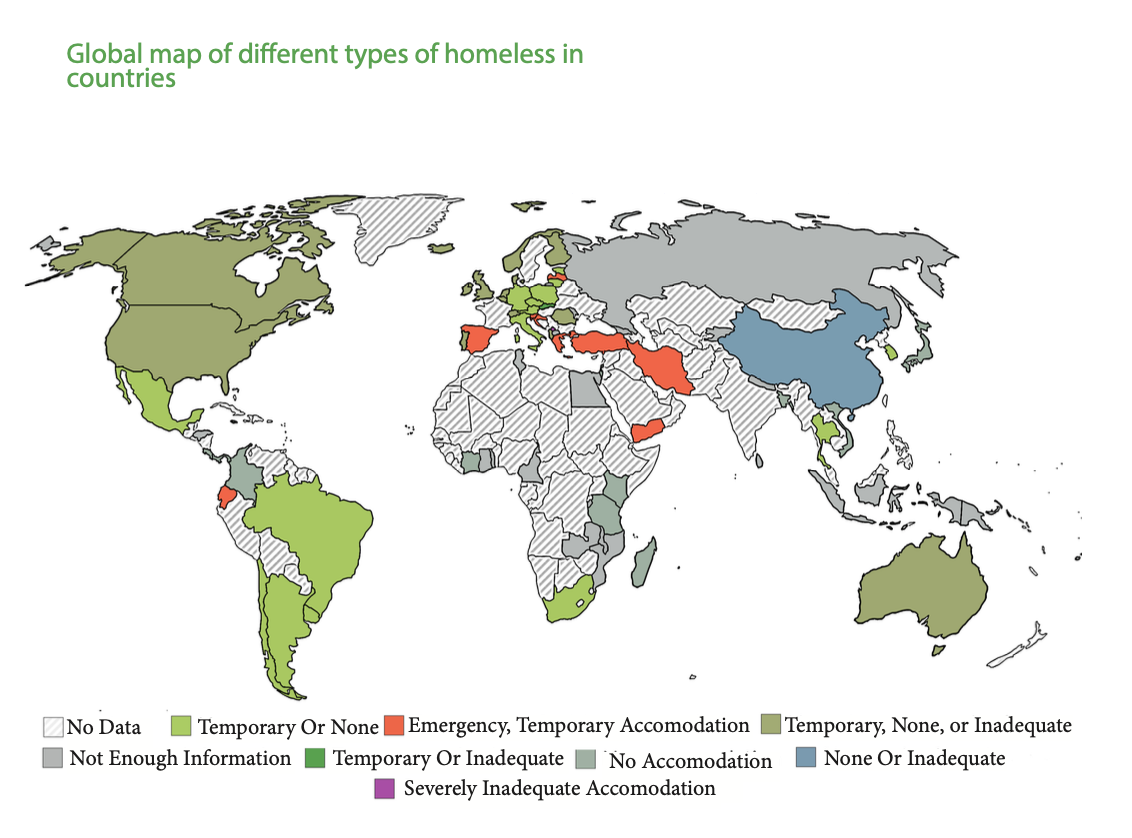
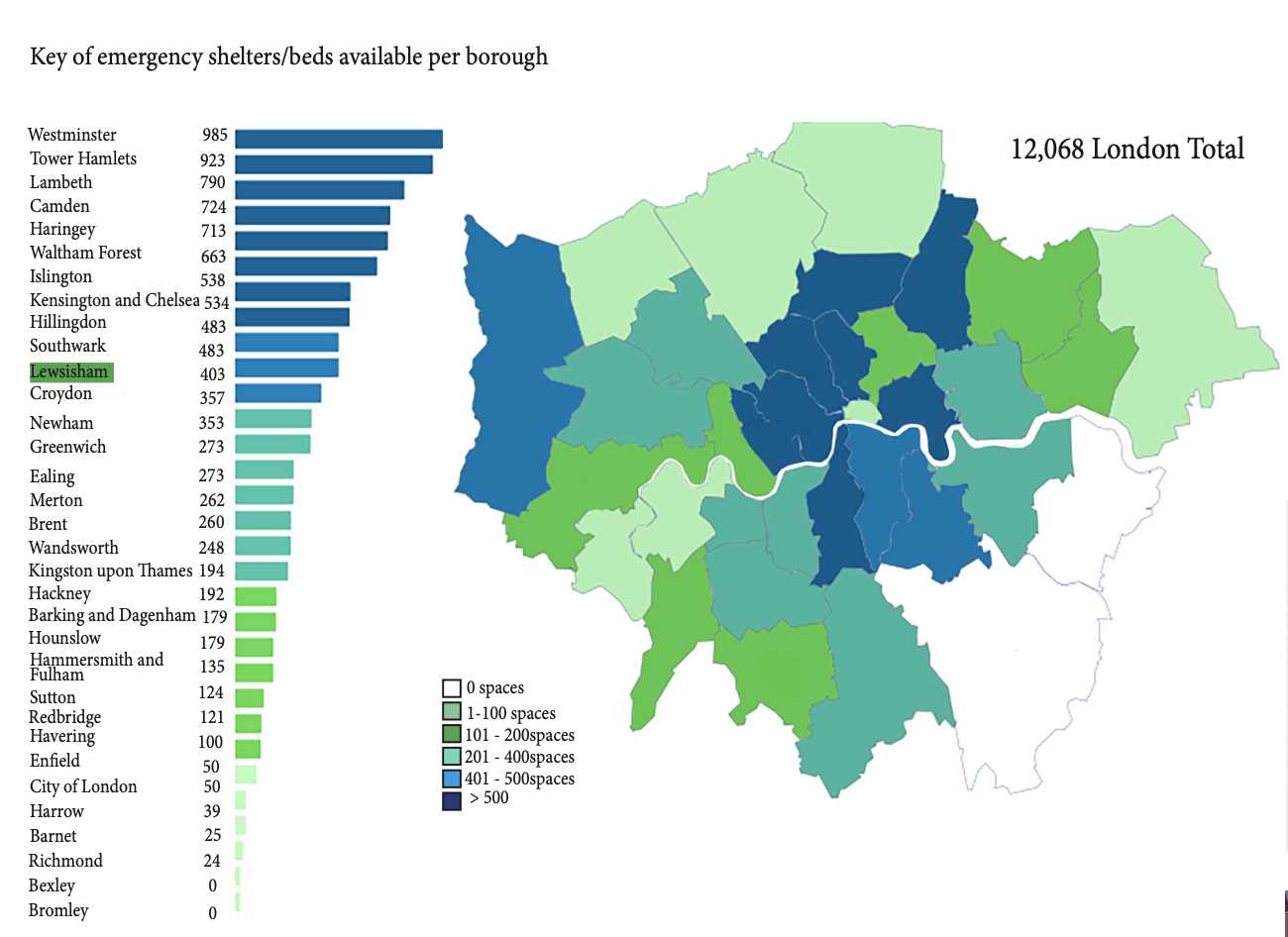
-
![]()
Urban Farm Facade
-
![]()
Street Facade
-
![]()
Community Gathering
-
![]()
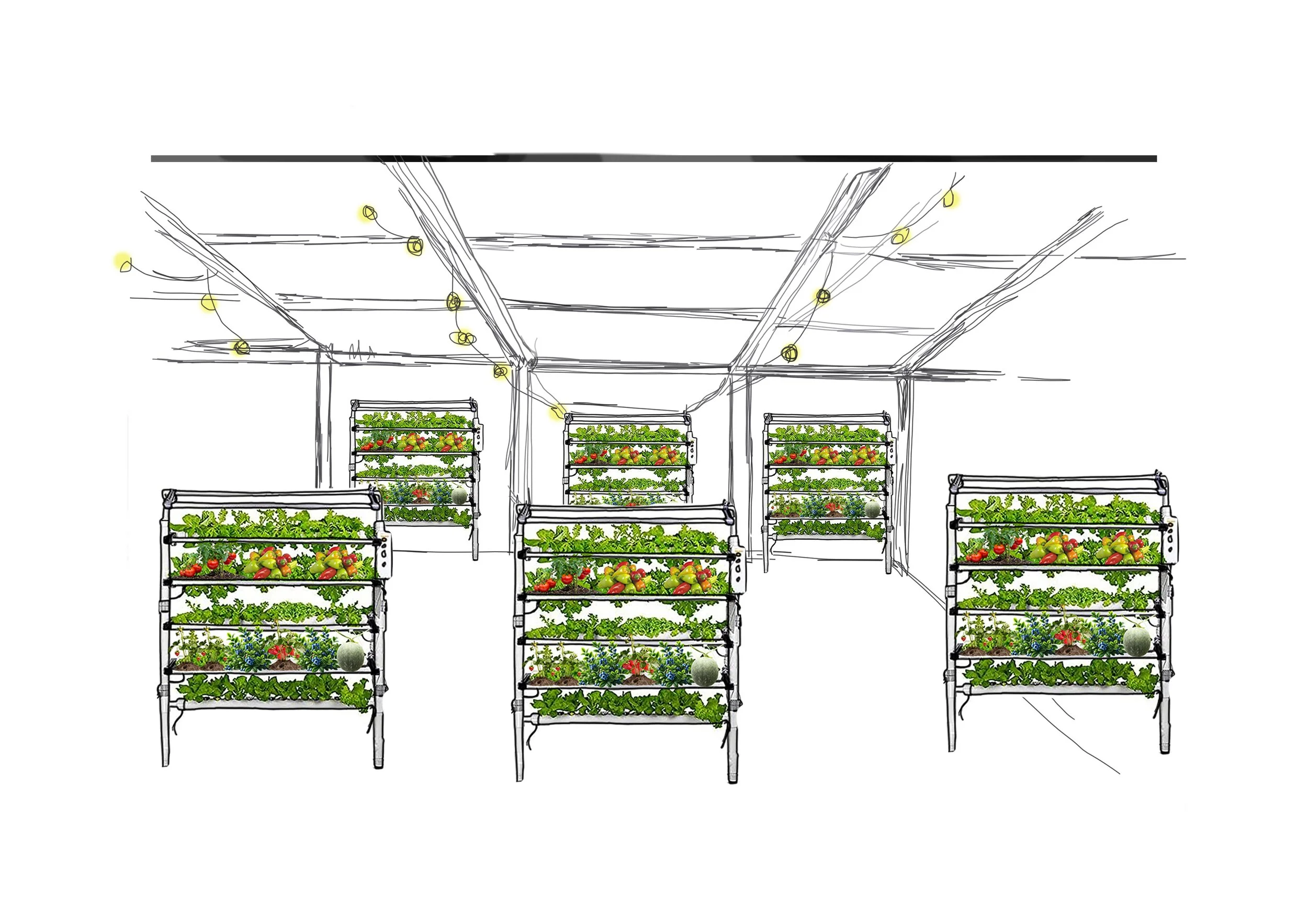
Aeroponic Systems
-
![]()
Shelter Alternative
-
![]()
Community Space
-
![]()
Community Lounge
-
![]()
Mezzanine